
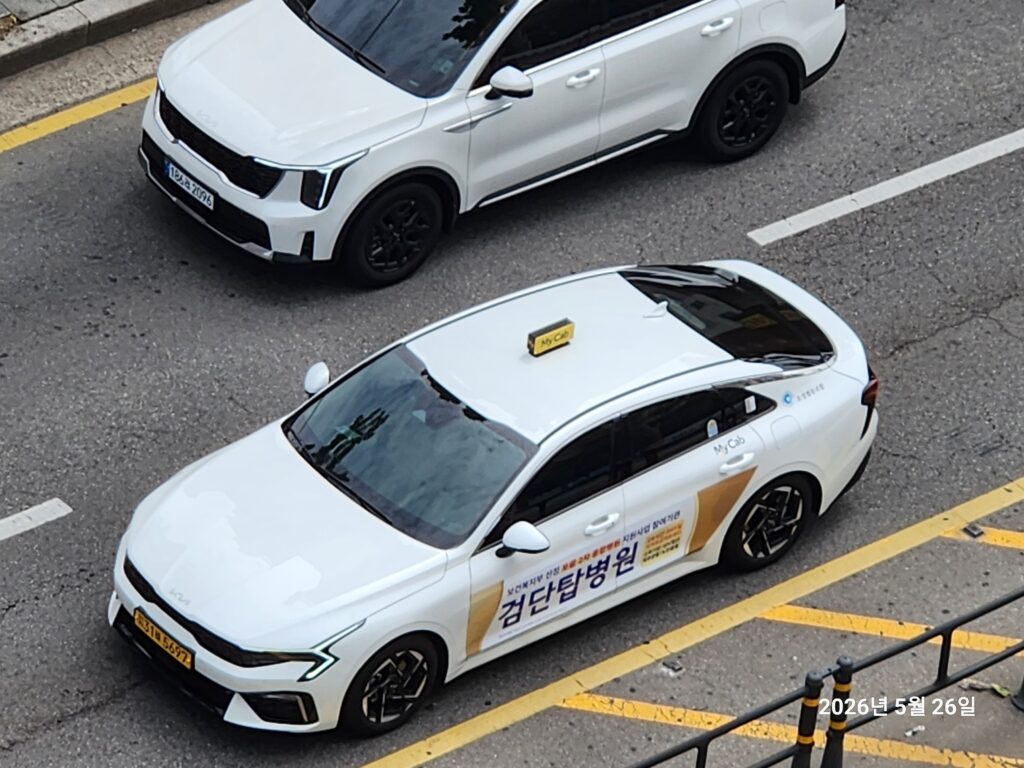
If you use Kakao T or try taking taxis in Seoul, there is a good chance you will experience this at least once: a driver accepts your ride request, starts heading toward you, and then suddenly cancels.
The first time this happened to me repeatedly, I was alone on a cold winter night near Gangnam Station, trying to get home to Gangdong. Three different drivers accepted and cancelled one after another over almost 15 minutes. Standing outside in the cold by yourself watching that happen — accepted, cancelled, accepted, cancelled — is a particular kind of frustrating that is hard to explain until you’ve experienced it yourself.
The good news is that taxi cancellations in Korea usually happen for practical reasons, not because drivers dislike foreigners. Once you understand how Korean taxi culture works, the situation makes a lot more sense.
Korean Taxi Culture Changed a Lot After Apps
Before smartphone apps like Kakao T became common, most people in Seoul simply waved down taxis on the street. You can still do that today, but it is much less reliable than before.
Many taxis that look empty are actually already reserved through an app. If you look closely at the front windshield, you will often see a red LED sign that says “예약” (“Reserved”). Those drivers are already on their way to another passenger.
Years ago, refusing passengers was a much bigger issue in Korea. Drivers sometimes avoided very short rides because the fare was too low. I still remember drivers lowering the window first and asking where we were going before deciding whether to stop.
There were even times when illegal ride-sharing with strangers happened late at night. Drivers would pick up multiple unrelated passengers heading in similar directions to make more money. That practice is now completely illegal and heavily fined in Korea. Today, outright street refusal is less common, but cancellations inside taxi apps have mostly replaced it.
📱 First Time Using Ride-Hailing Apps in Korea? If you want to avoid setup errors and learn how to register your international credit card smoothly on Korea’s number one taxi app, check out my complete step-by-step master guide: [Why Kakao T Is Essential for Your Trip, and How to Use It Like a Real Local]
Why Drivers Cancel Taxi Requests
1. The Trip Is Too Short
This is probably the most common reason. Some drivers prefer longer rides because short trips only earn the basic fare. If another request with a better route appears nearby on a second device, they may cancel the shorter ride. This happens more often during busy evening hours or rainy weather when demand is high.
2. Traffic Around Your Pickup Spot Looks Bad
Sometimes drivers accept the request first and then realize your location is difficult to reach. This happens a lot in crowded nightlife areas, narrow alleyways, places requiring long U-turns, or busy intersections near Gangnam or Hongdae. If reaching you takes too much time compared to the fare, some drivers cancel and move on.
3. They Accepted by Mistake
Taxi drivers often receive ride requests while driving. Occasionally, they tap accept too quickly and only later realize the pickup location is far away or inconvenient. In those cases, they may cancel within a minute or two.
Helpful Things to Know About Korean Taxis
Most Taxis Accept Credit Cards
You do not need cash for taxis in Korea. Almost all taxis accept international credit cards, T-Money transportation cards, and sometimes local mobile pay.
Late-Night Fares Are More Expensive
In Seoul, taxis charge extra late at night. The late-night surcharge usually applies between around 11 PM and 4 AM. During these hours, fares increase automatically. This is also the time when cancellations become more common because demand is very high.
Open the Doors Yourself
Unlike taxis in Japan where the rear passenger doors open automatically, Korean taxi doors are strictly manual. When the taxi pulls over safely, you need to grab the handle and open the door yourself to get in.
Tips to Reduce Taxi Cancellations
Use Kakao T Blue or Venti
If regular Kakao T rides keep getting cancelled, upgrading to Kakao T Blue or Kakao T Venti often works better. These services cost a little more, but drivers are generally penalized by the platform if they reject or cancel the ride.
Keep the Address Written in Korean
This helps a lot with older drivers. Even if the navigation app works properly, some drivers feel more comfortable reading Korean addresses directly instead of English spellings. I usually keep the Korean address copied in my phone whenever I travel somewhere unfamiliar.
Avoid Standing in Impossible Pickup Spots
If possible, stand somewhere easy for cars to stop safely. For example, avoid bus-only lanes, avoid standing directly at large intersections, and move slightly away from crowded club streets. Even walking one minute to a calmer side street can make it easier to get a taxi accepted.
Final Thoughts
Taxi cancellations in Seoul can definitely feel annoying, especially late at night or during bad weather. But in most cases, it is related to traffic, route efficiency, or demand rather than tourists themselves.
Once you understand the local system a little better, taking taxis in Korea becomes much less stressful. For most visitors, apps like Kakao T are still one of the easiest and safest ways to get around Seoul comfortably.