
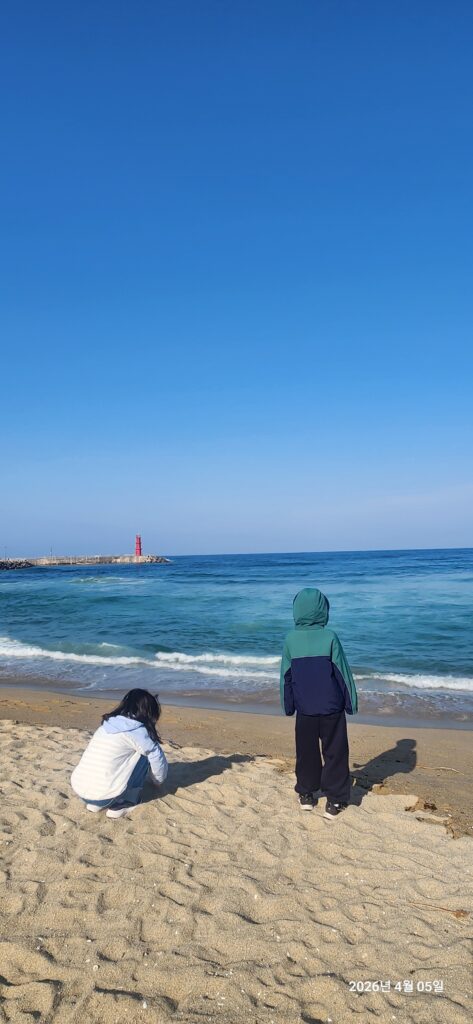
If you are planning a trip from Seoul to Gangwon-do, you are about to visit one of the most rewarding regions in South Korea. Traveling from Seoul to Gangwon-do has been a regular tradition for my family for years—exploring Sokcho, Gangneung, Samcheok, Donghae, Hongcheon, and Pyeongchang—and I genuinely cannot think of a single trip that felt like a waste of time. Just last month we drove out to the Seoraksan area and then over to Hongcheon, and the combination of mountain scenery, fresh seafood on the coast, and clean mountain air reminded me all over again why this region is where so many Seoul families escape to on long weekends.
From Seoul, even the furthest corners of Gangwon-do are within three hours by car. That accessibility, combined with some of Korea’s most dramatic natural scenery, the best beaches on the peninsula, ski resorts in winter, and an extraordinary food culture built around fresh ocean catches and mountain vegetables, makes Gangwon-do the default answer whenever Seoul residents ask each other where to go for a proper break.
In this guide, I will break down every realistic way to reach Gangwon-do from Seoul—by car, by bus, by train, and even by direct resort shuttle—and tell you honestly what works and what does not for travelers without their own vehicle.
1. The Honest Truth About Getting Around Gangwon-do
Before diving into transportation options, let me say something upfront that most travel guides skip: Gangwon-do is genuinely difficult to explore without a car.
Unlike Seoul, where subway lines connect virtually every point of interest, Gangwon-do’s most spectacular attractions are spread across mountain valleys, coastal roads, and rural areas where buses are infrequent and taxis can be hard to find outside of city centers. You can get to the major cities—Sokcho, Gangneung, Chuncheon, Wonju—by bus or train without much trouble. But once you are there, getting from your accommodation to the beach, the mountain trailhead, the seafood market, and back again without a car involves a lot of waiting, planning, and occasional frustration.
If you are traveling without a car, build your itinerary around one base city and explore outward from there on foot, by taxi, or by local bus. If you want to move freely between multiple destinations, renting a car is the single best investment you can make for a Gangwon-do trip.
2. Option 1: Driving from Seoul (The Local Standard)
For Seoul residents, driving to Gangwon-do is simply how it is done. The expressway network connecting Seoul to the region is excellent, and journey times are predictable outside of peak holiday traffic.
Approximate Driving Times from Seoul:
-
Chuncheon (춘천): 1 hour | Closest major city, famous for Dakgalbi
-
Hongcheon (홍천): 1.5 hours | Ski resorts, Vivaldi Park
-
Pyeongchang (평창): 2 hours | Alpensia, winter ski areas
-
Gangneung (강릉): 2.5 hours | East coast hub, Gyeongpo Beach, Coffee Street
-
Sokcho (속초): 2.5–3 hours | Seoraksan National Park, Abai Village
-
Samcheok (삼척): 3 hours | Ocean Railbike, southern east coast
Key Expressways to Know
The Yeongdong Expressway (영동고속도로) is the traditional main artery heading east toward Pyeongchang and Gangneung. For those heading to the northern coast like Sokcho or Yangyang, the Seoul-Yangyang Expressway (서울양양고속도로) is the fastest modern route. The Gyeongchun Expressway (경춘고속도로) specifically connects Seoul to Chuncheon.
🚨 Peak Season Warning: During Korean national holidays (Chuseok, Seollal) and the summer beach season (late July to mid-August), the expressways toward Gangwon-do become notoriously congested. A 2.5-hour drive to Gangneung can easily stretch to five or six hours. If you must drive during these periods, leave before 6:00 AM or after 9:00 PM to minimize delays.
However, to be completely honest, you do not need to memorize these expressway names at all. If you are driving your own vehicle or a rental car, local navigation apps will automatically guide you through the fastest real-time route .While TMAP is the absolute standard for local Korean drivers, international tourists will find Naver Maps or KakaoMap much easier to use, as they offer full English interfaces and voice navigation for rental car drivers.
3. Option 2: Express Bus (Most Practical for Non-Drivers)
The express bus network connecting Seoul to Gangwon-do’s major cities is well-developed and generally the most practical option for travelers without a car. Most Gangwon-do buses depart from two main terminals in Seoul:
-
Bus Terminal 1: East Seoul Terminal (동서울터미널) Located at Gangbyeon Station (Line 2). Serves Chuncheon, Sokcho, Gangneung, Samcheok, Donghae, and most east coast destinations. (Important Note: While the terminal is currently operating normally, a massive multi-year modernization project is scheduled to begin construction between late 2026 and early 2027 to transform it into a 39-story complex. Temporary terminal areas or layout changes may occur during your 2026–2027 travels, so make sure to follow the updated English signage carefully inside Gangbyeon Station).
-
Bus Terminal 2: Seoul Express Bus Terminal (고속버스터미널) Located in Gangnam (Lines 3, 7, 9). Serves Wonju, Gangneung, and central Gangwon destinations.
Key Routes and Journey Times from East Seoul:
-
Chuncheon: 1.5 hours (Very frequent)
-
Sokcho: 2.5–3 hours (Frequent)
-
Gangneung: 2.5–3 hours (Frequent)
-
Samcheok: 3.5 hours (Several daily)
Booking Tip: You can book tickets via the official Kobus app or website
. Opting for Udeung (우등) premium seats is highly recommended; they offer wider, more comfortable seating which makes a massive difference on a three-hour journey for just a small price premium. Check out my complete guide on riding express buses in Korea.
4. Option 3: Trains (KTX & ITX-Cheongchun)
The rail network transformed access to Gangwon-do, particularly after the 2018 Pyeongchang Winter Olympics. However, you must distinguish between the train types and destinations.
Key Train Routes from Seoul (Seoul Station or Cheongnyangni Station):
-
Gangneung (강릉): 2 hours via KTX Gyeonggang Line. This bullet train is remarkably fast and runs directly from both Seoul Station and Cheongnyangni Station to the east coast.
-
Pyeongchang (평창): 1.5 hours via KTX. Perfect for accessing the Olympic facilities and mountain trails.
-
Wonju (원주): 50 minutes via KTX.
-
Chuncheon (춘천): 1 hour via ITX-Cheongchun. Note: This is a high-speed commuter train, not a bullet KTX. It departs from Yongsan or Cheongnyangni Station.
The Rail Limitation: While the KTX to Gangneung is incredibly impressive, remember that Gangneung Station drops you in the city center. You will still need additional local transport to reach coastal points of interest like Gyeongpo Beach or Jeongdongjin.
Furthermore, there is currently no KTX service to Sokcho or Samcheok. For those coastal destinations, the express bus remains your only public transit choice.
5. Option 4: Direct Resort Shuttles
This is a lesser-known option that works specifically for travelers heading straight to major ski resorts or vacation complexes.
Several large resorts in Gangwon-do operate direct shuttle buses from central Seoul during peak seasons, particularly the winter ski season and summer waterpark season. Vivaldi Park in Hongcheon, Alpensia in Pyeongchang, and High1 Resort in Jeongseon all offer direct shuttle services from various Seoul pickup points (such as Hongdae, Myeongdong, or Gangnam).
I took a direct bus to Vivaldi Park in Hongcheon years ago with friends—before the highway improvements made driving even faster—and it was genuinely convenient. No transfers, no navigation, door-to-door from Seoul to the resort entrance. If you are planning a resort-focused trip, check the resort’s official website for current shuttle schedules and pickup locations. These services typically require advance booking online.
6. Getting Around Once You Arrive
As I mentioned at the start, this is where the real challenge begins for car-free travelers.
-
In City Centers (Sokcho, Gangneung, Chuncheon): Local buses and taxis are available and manageable for getting between the bus terminal, accommodation, and major downtown attractions.
-
For Coastal and Mountain Sites: Distances between attractions can be significant, and local bus frequency is low—sometimes one bus per hour or less on rural routes. Taxis are available in city centers but can be scarce in remote beach or mountain areas.
-
The Bike Alternative: In flat coastal areas like Gangneung (around Gyeongpo Lake), renting a local bicycle is a fantastic way to bridge the transit gap. While you can’t use Seoul’s Ttareungyi here, understanding Korea’s bike rental ecosystem helps. You can check my comprehensive guide on renting public bikes in Korea to get a feel for how it works.
-
Rental Car at Destination: Picking up a rental car upon arrival at your destination city is a practical middle-ground. Take the bus or KTX from Seoul, then rent a car locally for two or three days of free exploration. Major car rental companies operate directly at Gangneung Station and in Sokcho city center.
Summary Checklist for Seoul to Gangwon-do
-
Drive if at all possible: Gangwon-do is most rewarding with the freedom to move between destinations at your own pace.
-
Bus for the Coast: For non-drivers heading to Sokcho or Samcheok, the express bus from East Seoul Terminal is your best and only direct public option.
-
KTX for Speed: The bullet train reaches Gangneung in 2 hours from Seoul Station—but does not serve Sokcho or Samcheok.
-
Chuncheon is ITX: Do not look for a KTX to Chuncheon; take the ITX-Cheongchun from Yongsan or Cheongnyangni instead.
-
Consider Destination Rental: Take the KTX or bus to avoid expressway fatigue, then rent a car locally at Gangneung or Sokcho for regional exploring.
-
Watch the Calendar: Avoid peak holiday travel periods on the expressways unless departing before 6:00 AM or after 9:00 PM.
-
Simplify Without a Car: Build your itinerary around one base city if traveling without a vehicle—Gangwon-do’s attractions are too spread out for comfortable car-free multi-destination travel.